Age is the right place to start a replacement conversation, and condition finishes it. A practical approach is to list every major unit with its install date, then compare each one against its commercial HVAC life expectancy range. Equipment inside the last five years of its range moves onto a watch list, and that list drives the capital budget.
Tracking the warning signs that equipment is near the end of its useful life, such as rising repair bills and falling efficiency, helps confirm the timing. This kind of planning keeps a facility from paying rush prices for equipment ordered in an emergency.
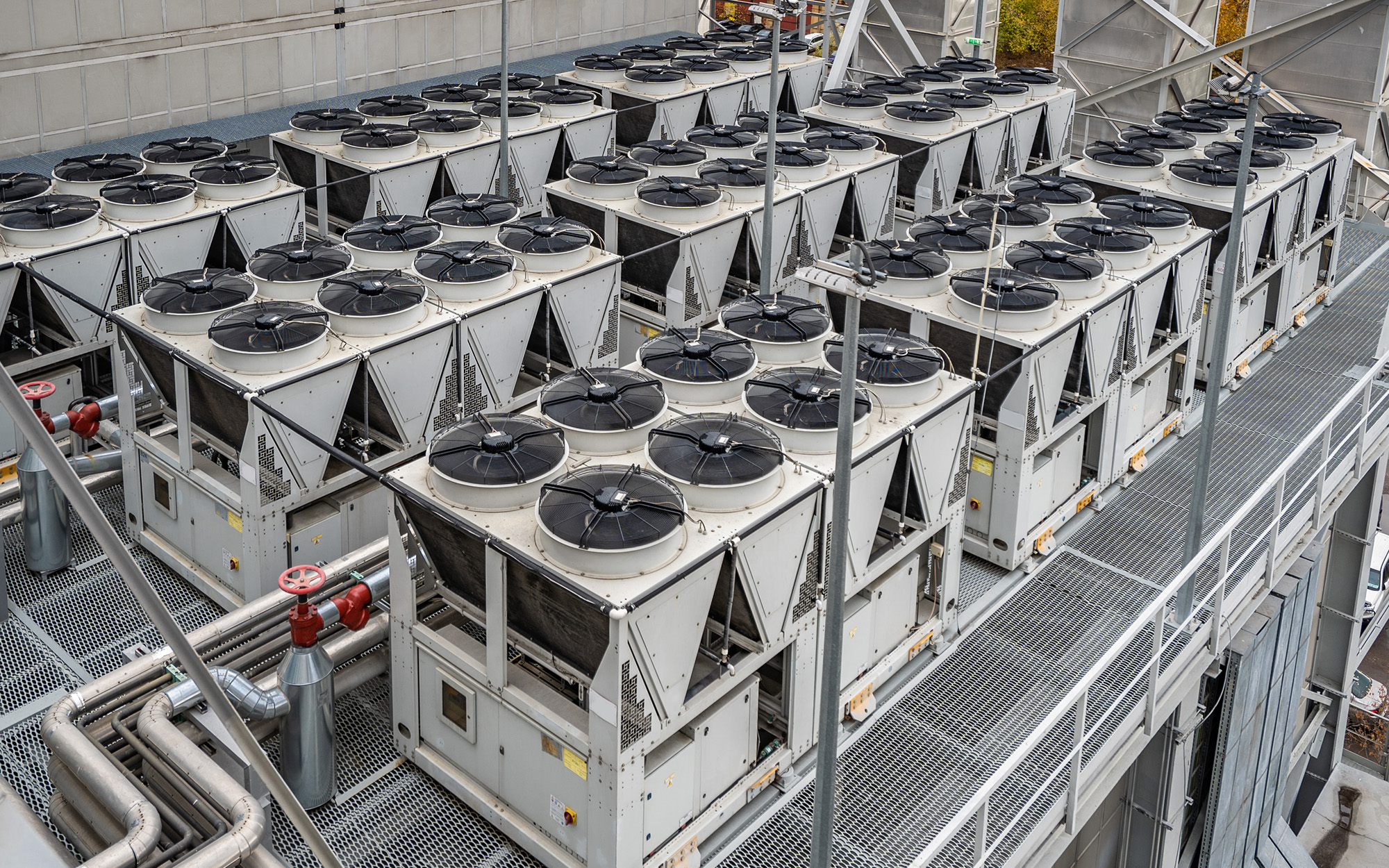
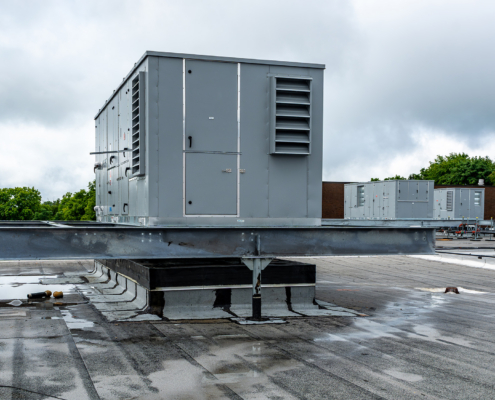
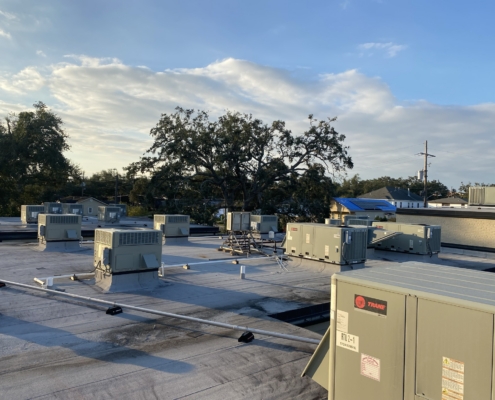
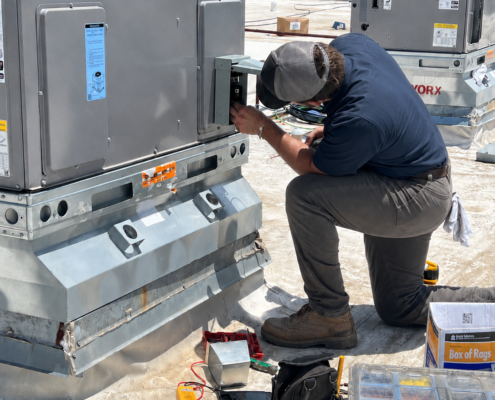
Rooftop units usually reach the watch list first, so RTU replacement is often the earliest line item, followed by chillers and then boilers. A phased schedule lets a facility replace equipment during mild months instead of the peak of summer. Each project goes more smoothly when the scope is defined early, since commercial HVAC replacement involves sizing, equipment removal, installation, and startup on a set timeline.
A written equipment schedule should list each unit’s age, location, last major repair, and expected replacement window, then get updated after every service visit. Facilities that keep this schedule current can answer ownership and finance questions quickly, because the numbers are already on paper. Over time, the schedule shows which units are holding up and which are draining the maintenance budget.